
“I’ll Do It Later…” Helping Your Teen Overcome Chore Procrastination
Getting my teen to complete home chores is a problem and the procrastination is real. “I’ve asked three times, and it still isn’t done.” If getting your teenager to complete chores feels like a daily struggle, you’re not alone. And if your child has ADHD, autism, dyslexia, or another learning difference, the challenge may have less to do with motivation and more to do with executive functioning.
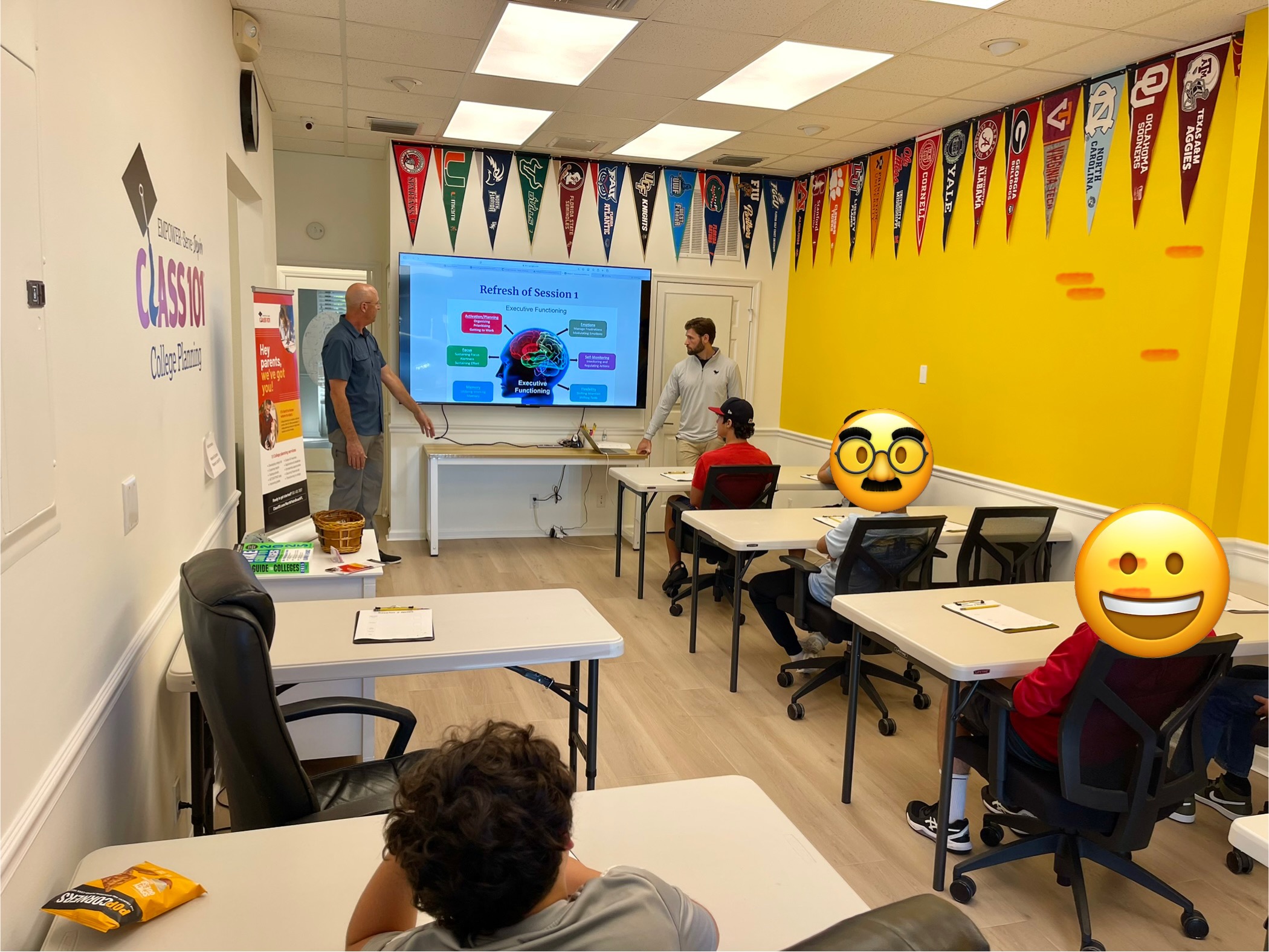
As a school neuropsychologist, I often remind parents that executive functioning is not about intelligence or willingness. It is the brain’s management system which are the skills that allow us to plan, organize, remember, initiate tasks, manage time, shift between activities, regulate emotions, and follow through until something is complete. For many neurodivergent teens, these skills develop differently and often require more intentional support.
Executive Functioning
Research has consistently shown that individuals with ADHD experience significant differences in executive functioning, particularly with task initiation, working memory, inhibition, and sustained attention. Many autistic adolescents also experience executive functioning differences, especially with cognitive flexibility, planning, and adapting to unexpected changes. Students with learning disabilities may expend so much mental energy meeting academic demands that fewer cognitive resources remain for everyday responsibilities at home.
What may look like procrastination is often something much more complex. Your teenager knows exactly what needs to be done but struggle to get started. They may become overwhelmed by a chore that seems simple to others because they cannot determine the first step. They may become distracted halfway through, lose track of materials, or forget multiple-step directions. These are executive functioning challenges and not character flaws.
Provide Support
That doesn’t mean we lower expectations. Instead, we change the support. Think of chores as opportunities to build independence while providing the scaffolding your teenager’s brain needs today. Research on executive functioning and skill acquisition suggests several strategies can make a meaningful difference:
- Break chores into small, clearly defined steps rather than giving broad directions like “clean your room.”
- Use visual checklists so your teen doesn’t have to rely solely on working memory.
- Pair chores with consistent routines to reduce the need for constant decision-making.
- Use timers or the “first…then…” approach to help with task initiation.
- Offer choices when possible, as autonomy increases motivation.
- Provide immediate, specific praise that recognizes effort, strategy, and persistence rather than perfection.
- Gradually fade supports as your teen demonstrates increasing independence.
Perhaps the most important shift is changing the question from “Why won’t they do it?” to “What’s getting in the way?” That simple change moves us from blame to problem-solving.
Our goal isn’t to raise a teenager who never procrastinates. Our goal is to help them understand how their brain works, discover strategies that fit their unique strengths, and develop the confidence to manage life’s responsibilities.
Someday they’ll live on their own. The greatest gift we can give them isn’t a perfectly cleaned bedroom today but it’s the executive functioning tools they’ll use for a lifetime. I teach an in person executive functioning course for teens that can help your child learn these important skills. Learn more here.
Call (561) 625 4125 to discuss helping your teen. We test for ADHD, dyslexia, autism, learning disabilities, anxiety, processing problems, and more.