
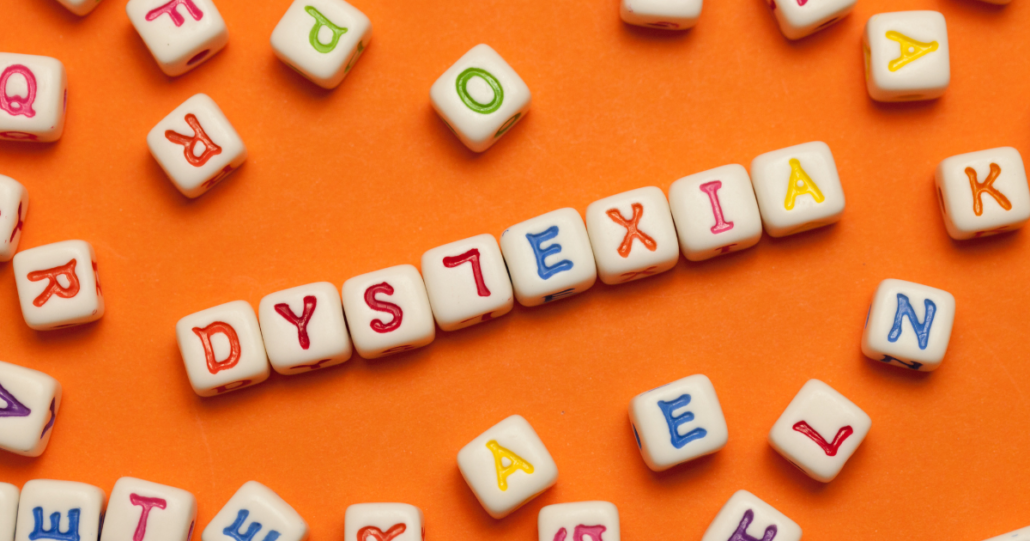
Dyslexia Demystified: Signs, Symptoms, and Support Strategies
Dyslexia is one of the most common learning disabilities, affecting an estimated 1 in 5 people, but it is also one of the most misunderstood. Dyslexia is not a problem of intelligence, motivation, or vision. It is a neurobiological difference in how the brain processes language with the sounds within words and the way those sounds connect to letters. With the right support, individuals with dyslexia can become confident, successful readers.
What Is Dyslexia?
Dyslexia primarily affects reading accuracy, fluency, spelling, and decoding. People with learning disabilities of dyslexia have difficulty breaking words into their component sounds and linking those sounds to written symbols. This makes learning to read and spell more effortful and slower, even though overall thinking and reasoning skills may be strong. Dyslexia exists on a spectrum and often co-occurs with ADHD, dysgraphia, or language-based learning differences. Because of this, dyslexia can look different being more noticeable in boys and less in girls, who mask their difficulties through hard work and compliance.
Common Signs
In young children, early signs may include delayed speech, trouble rhyming, difficulty learning letter names and sounds, or mixing up similar-sounding words. As children enter school, dyslexia show up as early as halfway through kindergarten. Young students have trouble remembering letter sounds and remembering sight words. Many students are slow readers and guess at words. They avoid reading aloud for fear of embarrassment. Older students may read fluently but struggle with comprehension. Emotional signs are also common. Many children with dyslexia become anxious or believe they are “not smart” because school feels so much harder for them.
Evidence-Based Strategies
The gold standards for dyslexia intervention are Structured Literacy, an explicit, systematic, and multisensory approach to teaching reading and programs based on Orton-Gillingham principles. These programs teach phonics, decoding, spelling, and language structure in a clear, step-by-step way. With early identification, effective instruction, and emotional support, dyslexia does not have to limit your child’s future. Evaluating and understanding are first steps to empowering it.
Call (561) 625 4125 to discuss your child and dyslexia, learning disabilities, dyslexia, ADHD, autism, or anxiety.