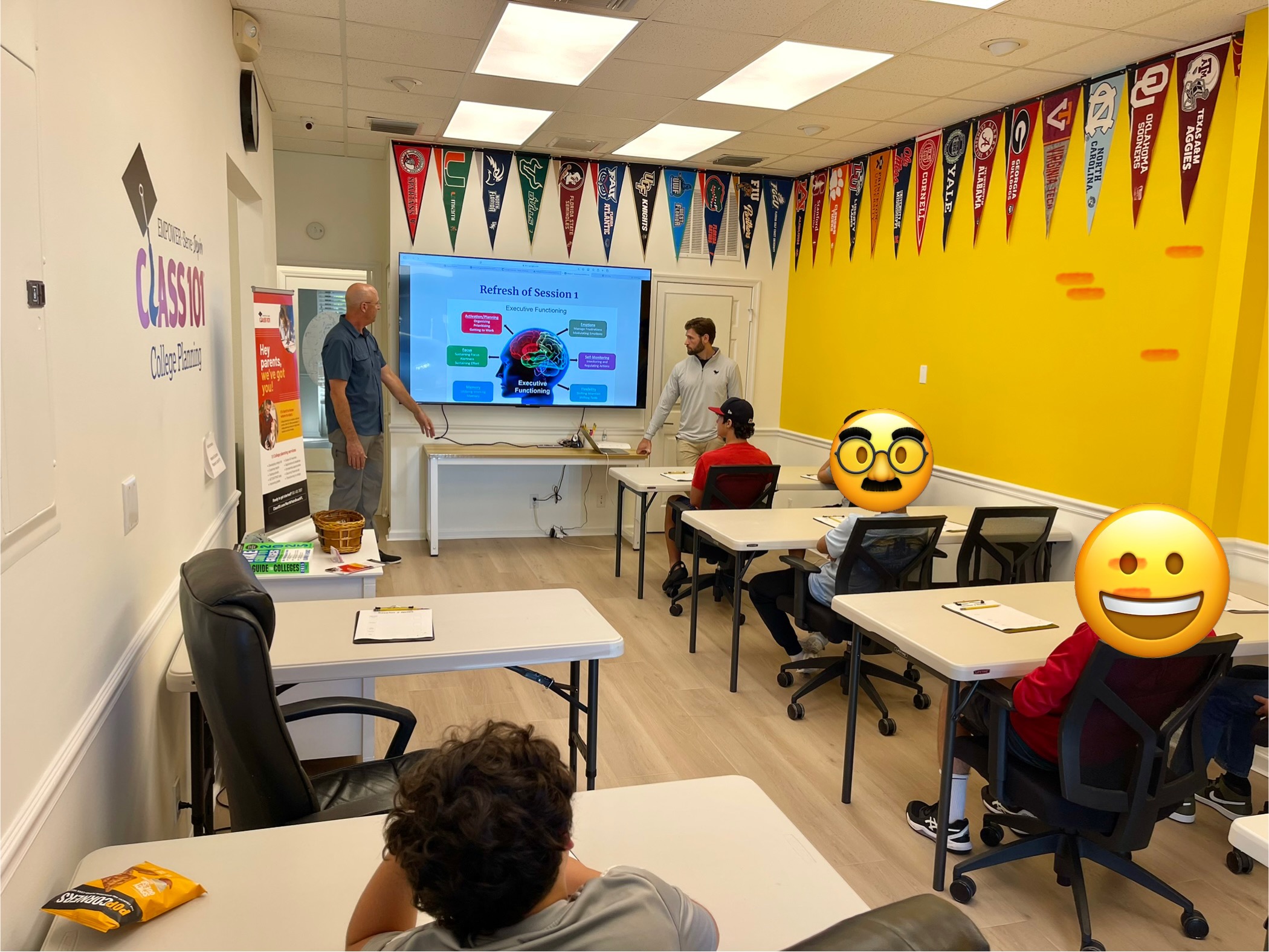

These are ‘hot’ topics of interest

Why Autism in Girls Is Easy to Miss

She doesn’t look autistic.  Autism in girls does not look the same. For girls, it often presents in ways that are quieter, more subtle, and more frequently overlooked. For years, autism research and diagnostic criteria were largely based on how it appears in boys. As a result, many girls with autism go undiagnosed or are labeled as anxious, shy, or socially immature rather than recognized as neurodivergent.

Girls Mask Symptoms

One of the primary reasons autism presents differently in girls is due to “masking.” Many girls are highly motivated to fit in socially and will consciously or unconsciously imitate peers by copying facial expressions, rehearsing conversations, or forcing eye contact. While this can help them blend in on the surface, it often comes at a significant emotional cost, leading to exhaustion, anxiety, and burnout. Because these girls may appear socially competent in structured settings like school, their struggles can be easily missed by educators.

Social Interests

Girls with autism also tend to have interests that appear more socially typical. While a boy might have an intense interest in trains or numbers, a girl might develop a deep, all-consuming interest in animals, books, celebrities, or friendships. The key difference is not the topic itself, but the intensity and rigidity of the interest which is often overlooked because the content seems age-appropriate.

Girl Drama

Social differences in girls can also be more nuanced. Rather than being obviously withdrawn, some girls with autism may be overly social but struggle with the depth and reciprocity of relationships. They may have difficulty navigating complex social dynamics like friendships, gossip, or unspoken rules, which become more demanding in later elementary and middle school years. This is often when challenges become more visible.

Internal Struggles

Additionally, girls are more likely to internalize their difficulties. Instead of external behaviors like impulsivity, they may experience anxiety, depression, or low self-esteem. This internalizing profile can further mask the underlying autism and delay appropriate identification and support.

Recognizing how autism in girls presents is critical. When we test and identify early, support can be provided to help her thrive. Call (561) 625 4125 to discuss your child. We are all parents too so we understand your concerns and the need for answers.

IEP advocate

Benefits of Advocating for an IEP

Advocating for an IEP. Many parents sense that their child is struggling in school long before a formal plan is put in place. You may notice difficulties with reading, writing, attention, or anxiety, yet feel uncertain about how to navigate the complex special education process. In these moments, a testing your child to give additional understanding can make a meaningful difference.

Testing is Step 1

School neuropsychological testing provides answers to your intuitions. Testing reveals your child’s strengths but also provides needed data to explain your child’s hidden weaknesses and how those are interfering with learning. Once schools have unbiased data and the report with recommendations, they can move forward with an Individualized Education Plan (IEP).

For many families, the experience can be transformative. As one parent shared, “With your testing report and the advocate, our son qualified and received an IEP for specialized instruction. We were greatly relieved and encouraged that he would now receive the additional support needed for him to thrive.”

Benefit 1

Testing combined with advocacy gets real results. A special education advocate is a professional who understands the laws, procedures, and language of the educational system and helps your work collaboratively with schools to secure appropriate services for your child. If you feel overwhelmed by acronyms, eligibility criteria, and evaluation data, an advocate provides clarity and guidance.

Benefit 2

Advocates also help you prepare for school meetings. Eligibility meetings, IEP meetings, and school conferences can feel intimidating. An advocate helps you organize concerns, develop key questions, and ensure that the conversation remains focused on your child’s needs. Their presence often helps create a more balanced discussion and ensures that important points are not overlooked.

Benefit 3

Another key role of an advocate is helping ensure that children receive appropriate supports and services. This might include specialized instruction, accommodations, or related services. Advocates understand how to align evaluation data with educational eligibility categories and service recommendations.

Ultimately, an advocate strengthens the partnership between families and schools. By helping you understand the process, interpret data, and communicate effectively, advocates help ensure that your child receives the educational support necessary to reach their full potential.

Have Concerns About Your Child and Advocating for an IEP?

Call (561) 625 4125 to discuss your child and dyslexia, learning disabilities, dyslexia, ADHD, autism, or anxiety. Learn more at www.JimForgan.com. You can locate an advocate at www.labyrinthconsultingpbc.com/about/ or kbpspecialinsights.com.

Dyslexia Demystified: Signs, Symptoms, and Support Strategies

Dyslexia is one of the most common learning disabilities, affecting an estimated 1 in 5 people, but it is also one of the most misunderstood. Dyslexia is not a problem of intelligence, motivation, or vision. It is a neurobiological difference in how the brain processes language with the sounds within words and the way those sounds connect to letters. With the right support, individuals with dyslexia can become confident, successful readers.

What Is Dyslexia?

Dyslexia primarily affects reading accuracy, fluency, spelling, and decoding. People with learning disabilities of dyslexia have difficulty breaking words into their component sounds and linking those sounds to written symbols. This makes learning to read and spell more effortful and slower, even though overall thinking and reasoning skills may be strong.  Dyslexia exists on a spectrum and often co-occurs with ADHD, dysgraphia, or language-based learning differences. Because of this, dyslexia can look different being more noticeable in boys and less in girls, who mask their difficulties through hard work and compliance.

Common Signs

In young children, early signs may include delayed speech, trouble rhyming, difficulty learning letter names and sounds, or mixing up similar-sounding words. As children enter school, dyslexia show up as early as halfway through kindergarten. Young students have trouble remembering letter sounds and remembering sight words. Many students are slow readers and guess at words. They avoid reading aloud for fear of embarrassment. Older students may read fluently but struggle with comprehension. Emotional signs are also common. Many children with dyslexia become anxious or believe they are “not smart” because school feels so much harder for them.

Evidence-Based Strategies

The gold standards for dyslexia intervention are Structured Literacy, an explicit, systematic, and multisensory approach to teaching reading and programs based on Orton-Gillingham principles.  These programs teach phonics, decoding, spelling, and language structure in a clear, step-by-step way.  With early identification, effective instruction, and emotional support, dyslexia does not have to limit your child’s future. Evaluating and understanding are first steps to empowering it.

Call (561) 625 4125 to discuss your child and dyslexia, learning disabilities, dyslexia, ADHD, autism, or anxiety.

autism boy

Social Struggles Can Point to Autism

A mom contacted me because she was concerned about her adolescent son and wrote, “I wish he could understand social issues so he could respond appropriately. Sometimes I think people take advantage of him.” She wanted to know if his social issues could be related to autism or something else.

Autism is a Social Disorder

It’s understandable for you to wonder about autism when you see your child struggling with social understanding. This mom recognized this was one sign and that further exploration might be helpful. Social difficulties can come from many different causes such as autism, ADHD, social anxiety disorder, language delays, or personality traits such as being an introvert. Thus, social difficulty does not automatically point to autism, but it can be one piece of the puzzle.

Evaluating for Autism and Other Social Concerns

You may want to consider an evaluation if three or more autism-related traits are present, such as difficulty reading body language, voice tone, or unspoken rules, very literal thinking, challenges with back-and-forth conversation, trouble making or keeping friends, sensory sensitivities, rigid routines, a strong discomfort with changes, or unusual social communication skills.

If the concern about social vulnerability is part of a larger pattern, an assessment may be appropriate. Our evaluations help provide you with answers and clarity. Testing helps answer questions such as: “What exactly is he struggling with? How can we support him best?  Are there services or strategies that could make life easier for him?”  Parents often find relief in having clear guidance, whether or not an autism diagnosis is given.

Wonder About Autism?

Contact us if you wonder about autism and feel your child is consistently misunderstood socially, easily manipulated or taken advantage of, unsure how to set boundaries, or confused by peers’ behavior.  Our school neuropsychological testing will help give answers and guide you toward meaningful next steps.

Call (561) 625 4125 if you would like to discuss your child and your concerns for possible autism, social difficulty, learning disabilities, dyslexia, ADHD, or anxiety.

Understanding and Managing Stressful Kids

Many parents describe a dynamic with their young child that feels overwhelming: “He makes everything difficult. When I’m with him, it’s hard to think or do anything. It feels like stress and chaos all the time.” This experience can be both emotionally draining and confusing. From a psychological standpoint, it often reflects a complex interaction between your child’s temperament, developmental stage, and your stress response system.

Child Arguing

When a child frequently resists, argues, or escalates quickly, a parent’s nervous system naturally enters a state of heightened alert. This “fight, flight, or freeze” activation can make it difficult to think clearly or respond calmly. The first step, therefore, is self-regulation. Before attempting to manage your child’s behavior, take a brief pause to ground yourself by deep breathing, stepping away for a moment, or using a calming phrase to help deactivate that stress response.

What Is the Purpose of the Behavior?

It’s also essential to look beyond surface behaviors and consider the behaviors function. Challenging behavior is often communication. It may indicate unmet needs such as fatigue, hunger, sensory overload, or anxiety. In some cases, neurodevelopmental differences (e.g., ADHD, autism spectrum traits, or emotional regulation difficulties) can make transitions and compliance particularly challenging. Identifying patterns and triggers can help you tailor your responses rather than reacting in the moment.

Support

Behaviorally, structure and predictability are key. Consistent routines, clear expectations, and calm follow-through create a sense of safety for both parent and child. When possible, offer limited choices and acknowledge emotions before setting boundaries (“I can see you’re upset you can’t have more screen time; it’s hard to stop when you’re having fun”).

Finally, recognize the importance of support. Chronic stress in the parent–child relationship can erode both patience and connection. Consulting psychologist, family therapist, or behavior therapist can provide individualized strategies and perspective. Self-care is necessary for effective parenting and encouraging your child’s growth.

Call us at (561) 625 4125 if you would like to discuss your child and your concerns for possible learning disabilities, dyslexia, ADHD, autism, opposition, or anxiety.